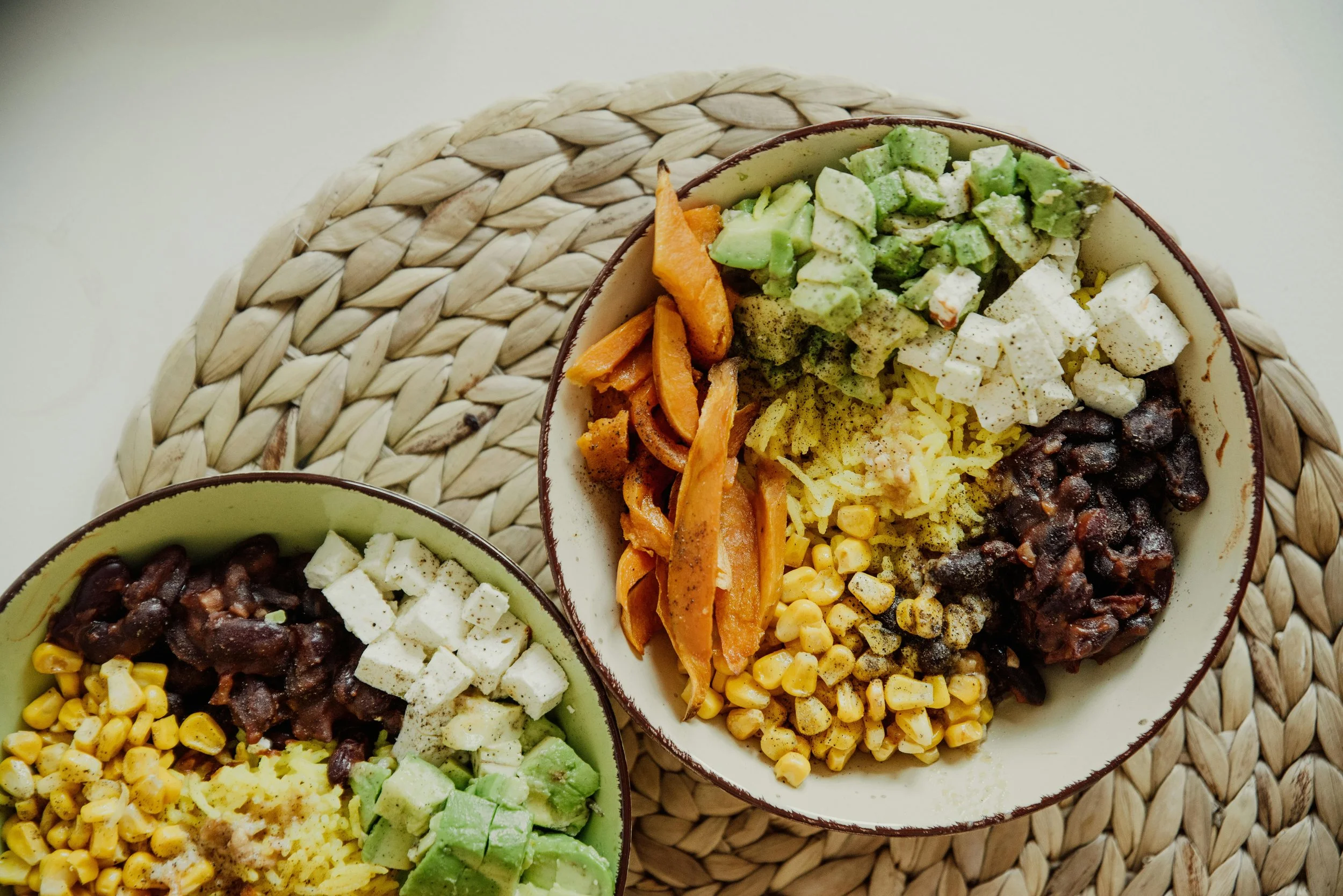
Add More In: A Gentle Approach to Nourishing Our Bodies

Add More In:
A Gentle Approach to Nourishing Our Bodies
Nutrition doesn’t have to be rigid, restrictive, or overwhelming to be supportive. At The Yoga Dance Co, we believe nourishment works best when it feels generous—not punishing.
Instead of focusing on what to cut out, we love the idea of adding more in. More color. More plants. More nutrients. More curiosity around how food makes us feel.
This approach is especially helpful for families, where food conversations can quickly become stressful.
When we shift the focus from “you should eat this” to “let’s see how many plants we can add today,” something softens. Meals become less about rules and more about connection.
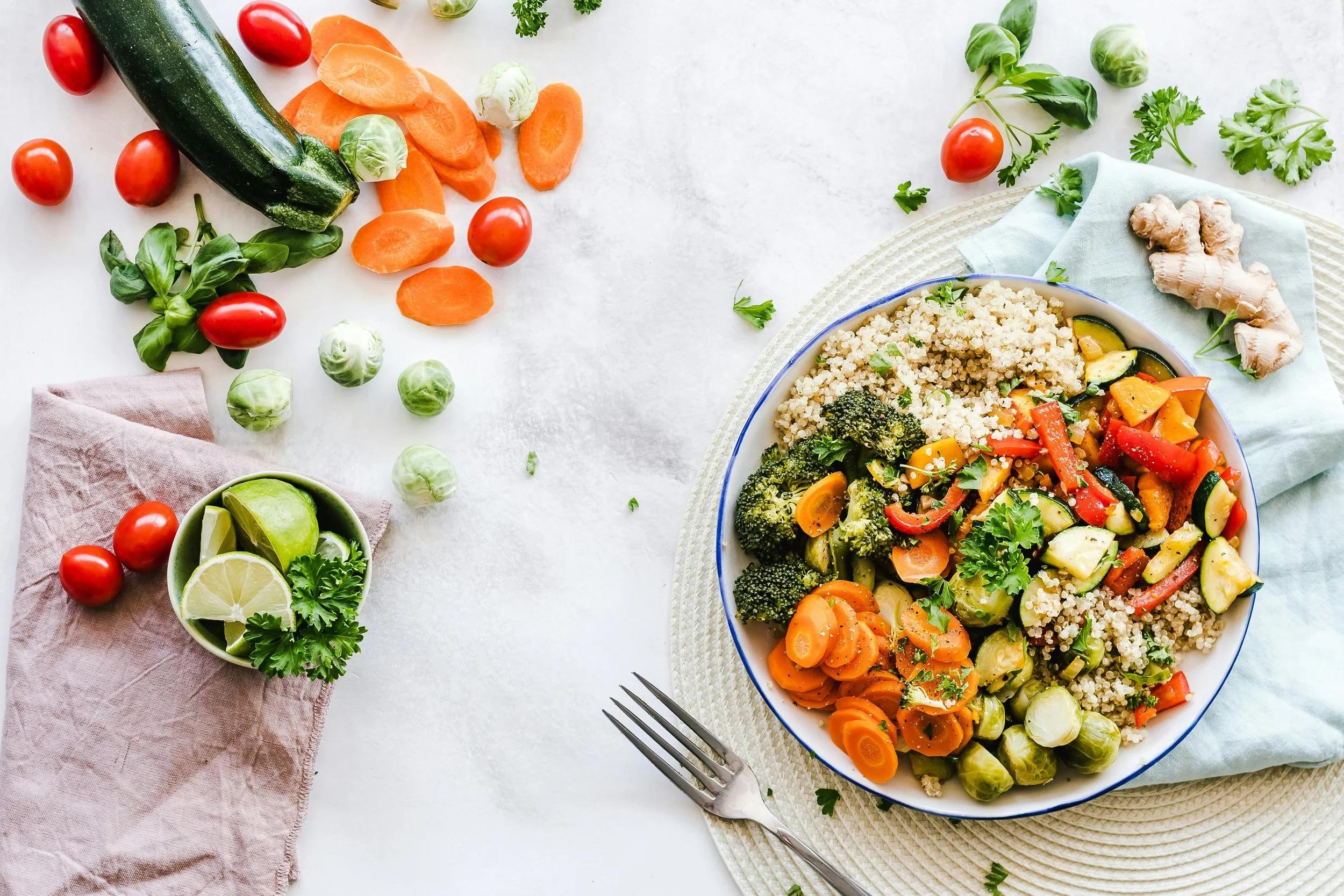
Why Plants Matter (Without the Pressure)
Plant-based foods—fruits, vegetables, herbs, legumes, and spices—are rich in antioxidants, fiber, and anti-inflammatory compounds. These nutrients help support digestion, immunity, brain health, and emotional regulation for both kids and adults.
Inflammation isn’t always bad, but chronic inflammation can show up as:
• Low energy
• Digestive discomfort
• Joint pain or stiffness
• Mood swings
• Brain fog
Adding a variety of plants throughout the day helps gently calm inflammation while supporting the nervous system—something we talk about often in our movement practices.
And no, this doesn’t mean you have to eat perfectly or give up comfort foods. It simply means layering nourishment in.
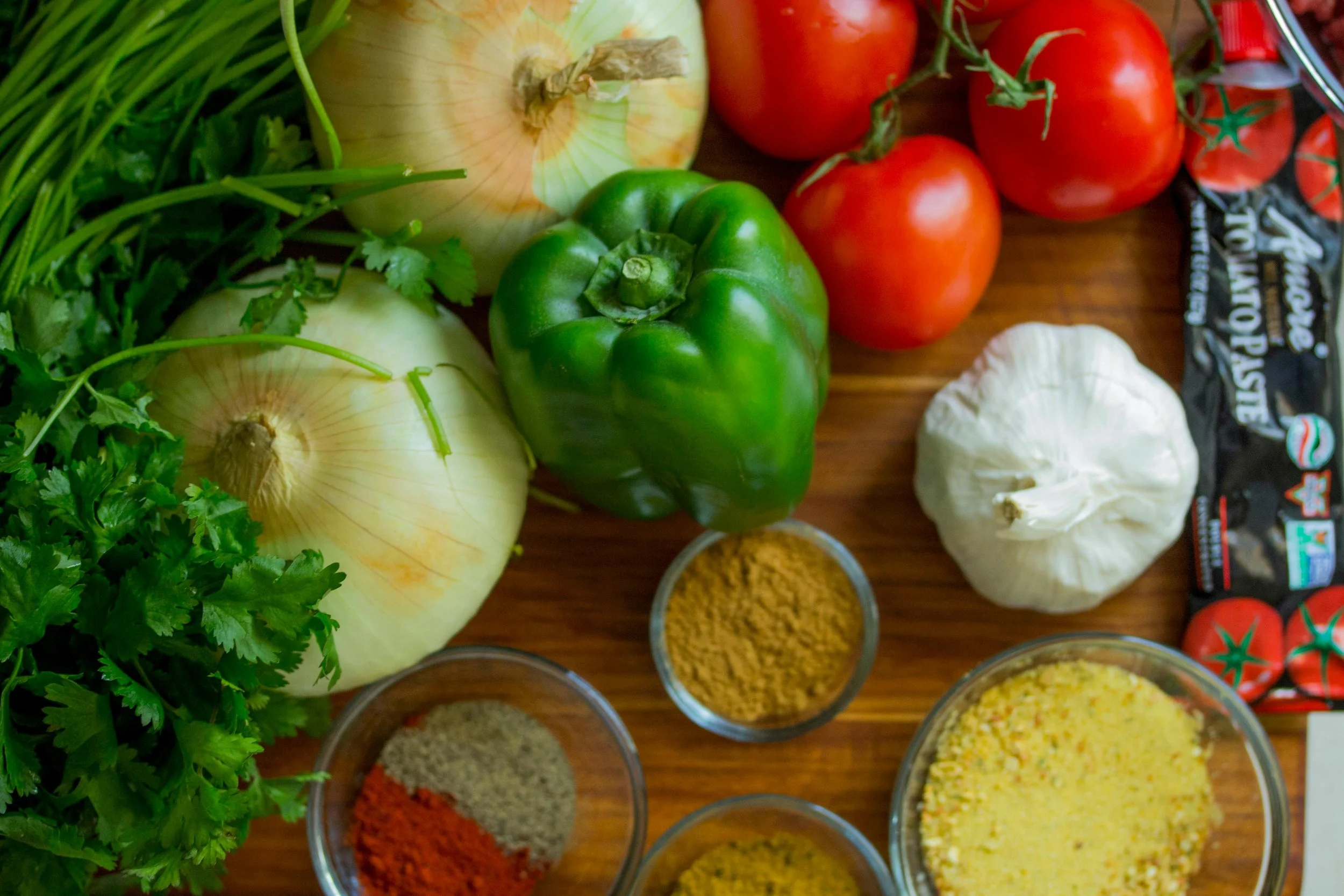
Think in Color, Not Calories
One of the easiest ways to add more nutrients is to think in color.
Each color of plant offers different benefits:
• Greens support detoxification and digestion
• Oranges & yellows support immunity and eye health
• Reds & purples support the heart and brain
• Whites & browns (like onions and mushrooms) support immunity and gut health
When meals look colorful, they’re often naturally nutrient-dense.
A simple goal for families:
How many colors can we add today?
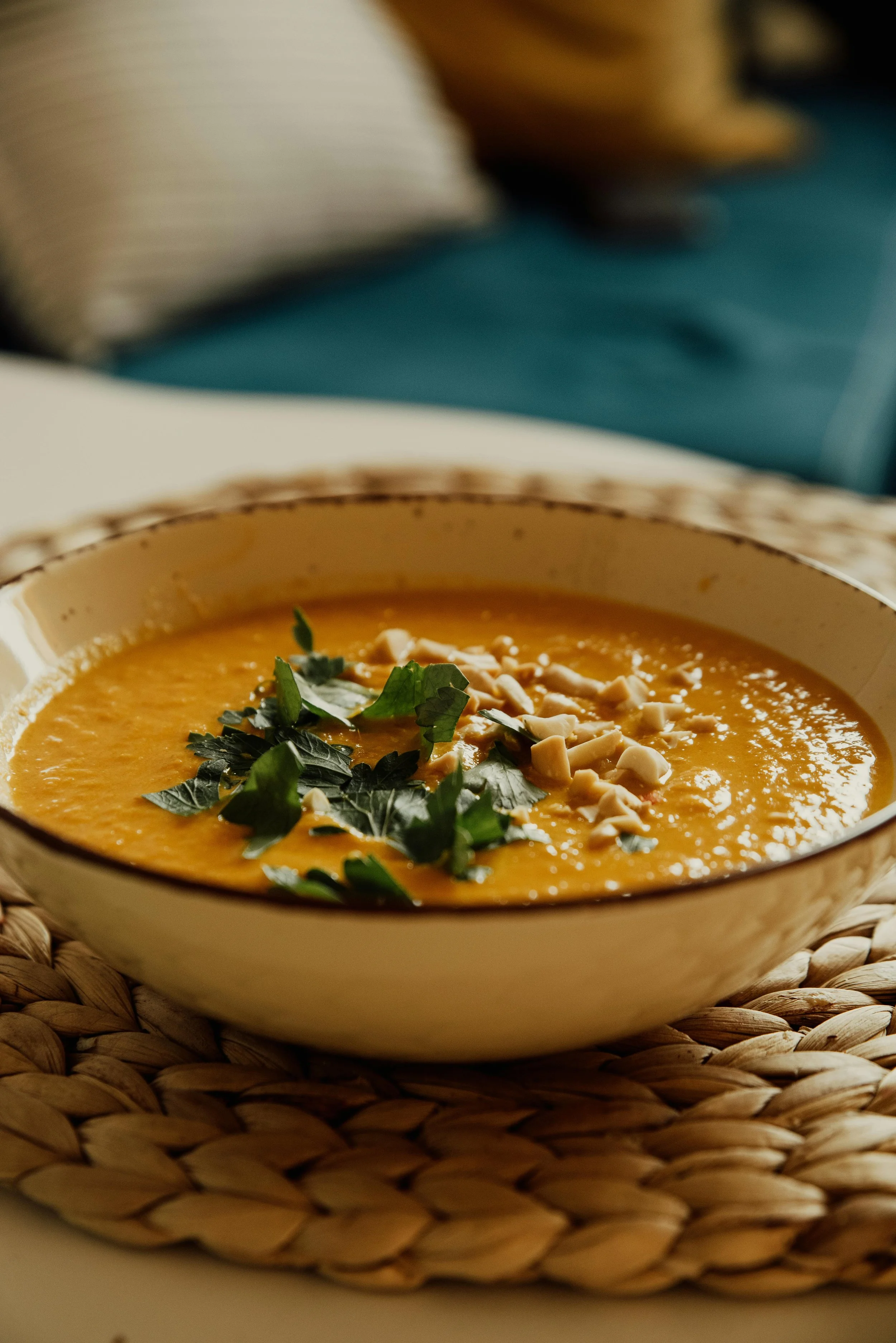
Soups: The Ultimate Anti-Inflammatory Comfort Food
Soup is one of the easiest ways to pack in plants—especially for kids who might be hesitant about veggies on their plate.
Warm, blended, or broth-based soups:
• Are gentle on digestion
• Feel comforting and grounding
• Allow flavors to blend (no single veggie stands out too much)
• Are easy to customize
Plus, soup pairs beautifully with the slower, mindful rhythms we encourage in both movement and meals.
⸻
Anti-Inflammatory “Add More In” Veggie Soup
This soup is flexible, forgiving, and perfect for families. Use what you have—this is about adding, not perfection.
Ingredients
• 1 tbsp olive oil or avocado oil
• 1 yellow onion, diced
• 3 cloves garlic, minced
• 1 tbsp fresh grated ginger or turmeric (or 1 tsp dried)
• 2 carrots, chopped
• 2 celery stalks, chopped
• 1 sweet potato, cubed
• 1 zucchini, chopped
• 1 cup chopped leafy greens (spinach or kale)
• 1 cup cauliflower or broccoli florets
• 1 can chickpeas or white beans, drained
• 6–8 cups vegetable broth
• 1 tsp ground cumin
• 1 tsp ground turmeric
• Salt and pepper to taste
• Optional: squeeze of lemon, fresh herbs (parsley or cilantro)
Instructions
1. Heat oil in a large pot over medium heat.
2. Sauté onion for 3–4 minutes until soft.
3. Add garlic, ginger, and turmeric; stir until fragrant.
4. Add carrots, celery, sweet potato, zucchini, cauliflower, and spices.
5. Pour in broth and bring to a gentle boil.
6. Reduce heat and simmer for 20–25 minutes until veggies are tender.
7. Stir in chickpeas and leafy greens; cook 5 more minutes.
8. Adjust seasoning and finish with lemon or herbs if desired.
Optional for kids: Blend half the soup for a creamier texture while keeping some chunks.
⸻
Kids Corner: Making Plants Fun (Not a Battle)
Kids are naturally curious—and counting is way more fun than being told to “eat your vegetables.”
The Plant Count Game 🌈
Instead of focusing on how much kids eat, invite them to count what they eat. We like to challenge ourselves to see if we can count how many plants we’re actually getting to eat.
Here’s how:
• Each fruit or vegetable counts as 1 plant
• Different colors count separately
• Herbs and spices count too (yes, really!)
For example:
• Carrot = 1
• Spinach = 1
• Chickpeas = 1
• Onion = 1
• Garlic = 1
Suddenly that soup has 5+ plants, and kids love knowing they’re “winning.”
Make It Visual
Try:
• Drawing plant tally marks on a whiteboard
• Using stickers for each plant eaten
• Letting kids color in a rainbow as they eat different colors
No pressure to hit a certain number—just noticing and celebrating what’s added.
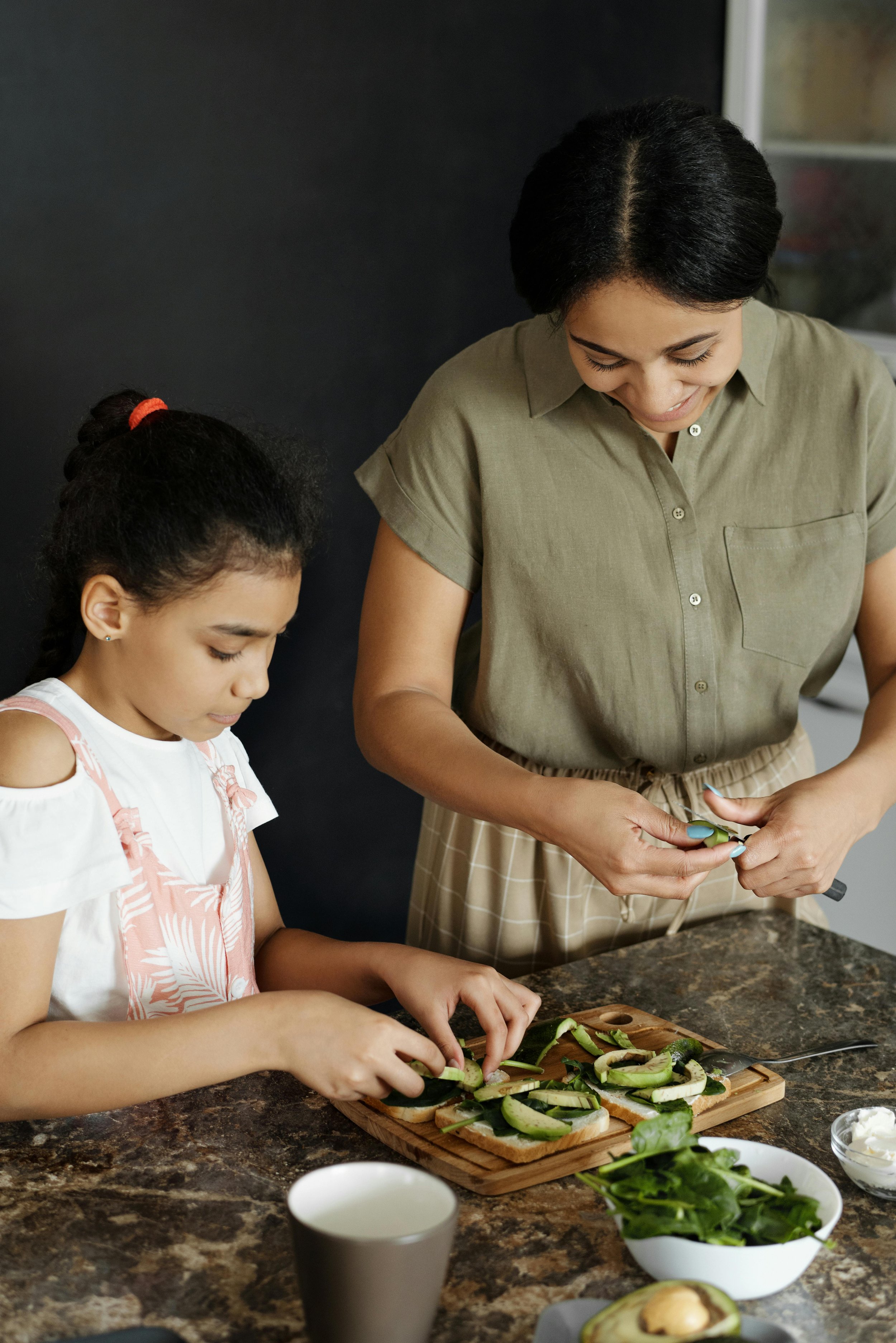
Involve Them in the Kitchen
Kids are more likely to try foods they helped prepare. Invite them to:
• Wash vegetables
• Choose which veggies go into the soup
• Count the plants out loud as they cook
• Stir and taste (with supervision)
Ownership builds confidence and curiosity.
Nourishment as a Practice, Not a Rulebook
Just like yoga, nourishment isn’t about doing things perfectly. It’s about awareness, consistency, and compassion.
Some days will be full of color and plants. Other days will be simple and cozy. Both are part of a healthy rhythm.
When we approach food the way we approach movement—with curiosity instead of judgment—we create habits that last.
So today, instead of asking “What should we cut out?”
Try asking: What can we add in?
Your body—and your nervous system—will thank you.